Dark ideas in the Dirty Thirties
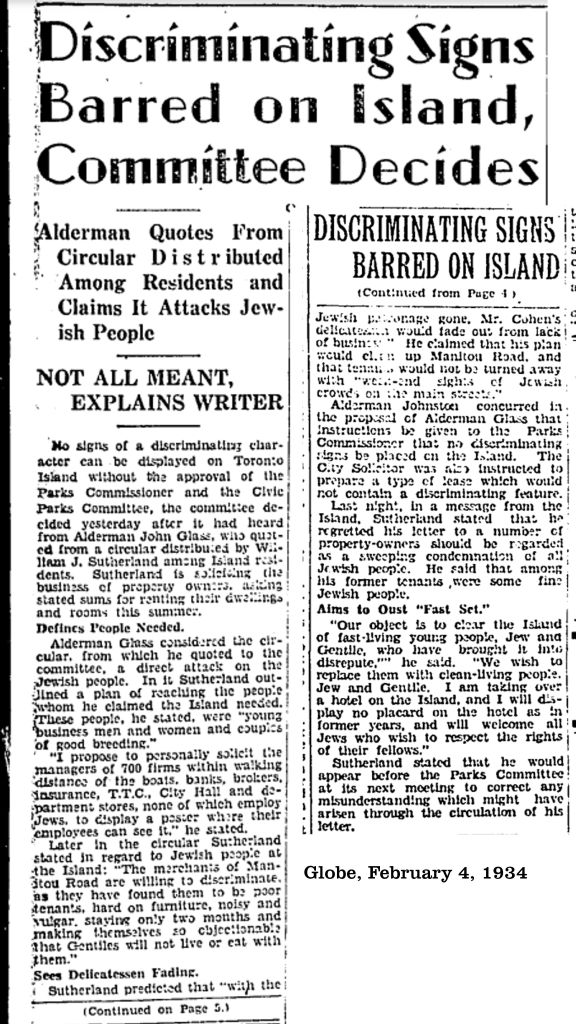
History can be uncomfortable, particularly what some call “identity politics”? As I make my way through a vast amount of material about Toronto’s coast, it raises questions about what should and should not be included. This comes up when we consider, for example, the history of Antisemitism along the beaches and on Toronto Island in the 1930s.
In 1928 Colonel J.E. Mills spokesman for Canada’s leading golf course architect, Stanley Thompson, proposed a nine-hole, public course on Mugg’s Island at a cost of $45,000. The course could also be extended to 18 holes by extending the layout across Long Pond using a pull-boat to get golfers across. This project would have involved a 21-year lease of land from the City of Toronto and possible financing by the Toronto Transportation Commission (TTC) and local hotels. It never happened. If at first you don’t succeed, try and try again and the Islanders did – at least six times!
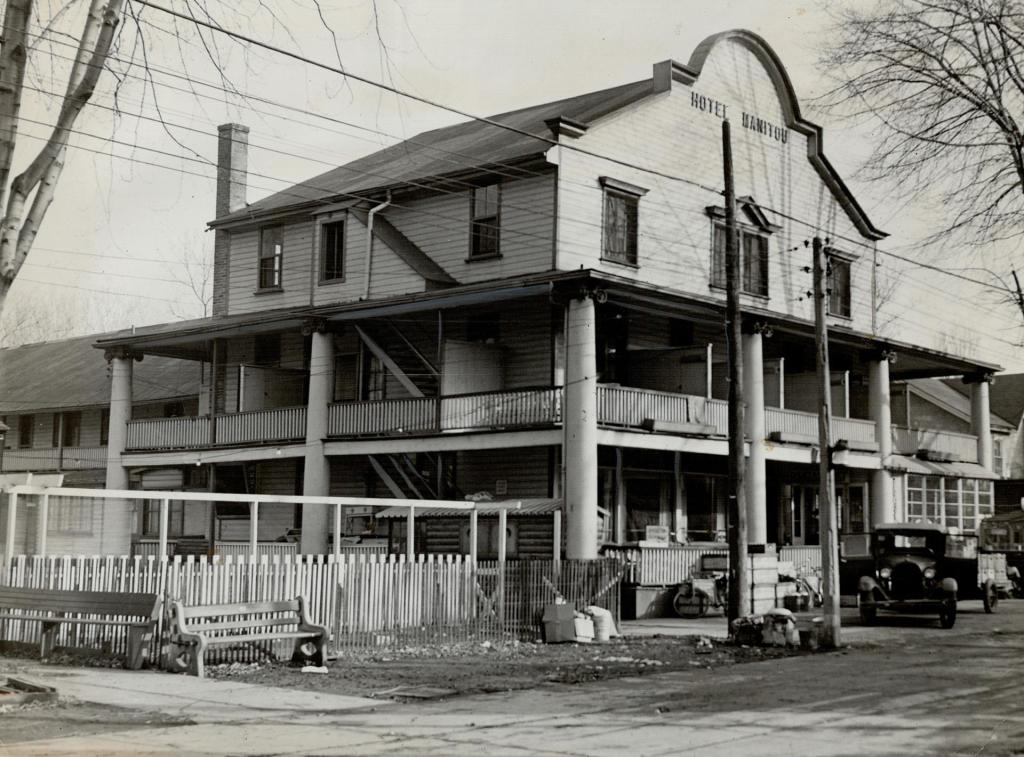
Just two years later William James Sutherland, secretary of the Centre Island’s Businessmen’s Association sent a proposal for the construction of a nine-hole municipal golf course on Mugg’s Island to the City of Toronto Parks Committee. It was to cost $15,000. Sutherland owned the Hotel Manitou “for Gentiles of refinement” and the proposal was on letterhead with that slogan on it.

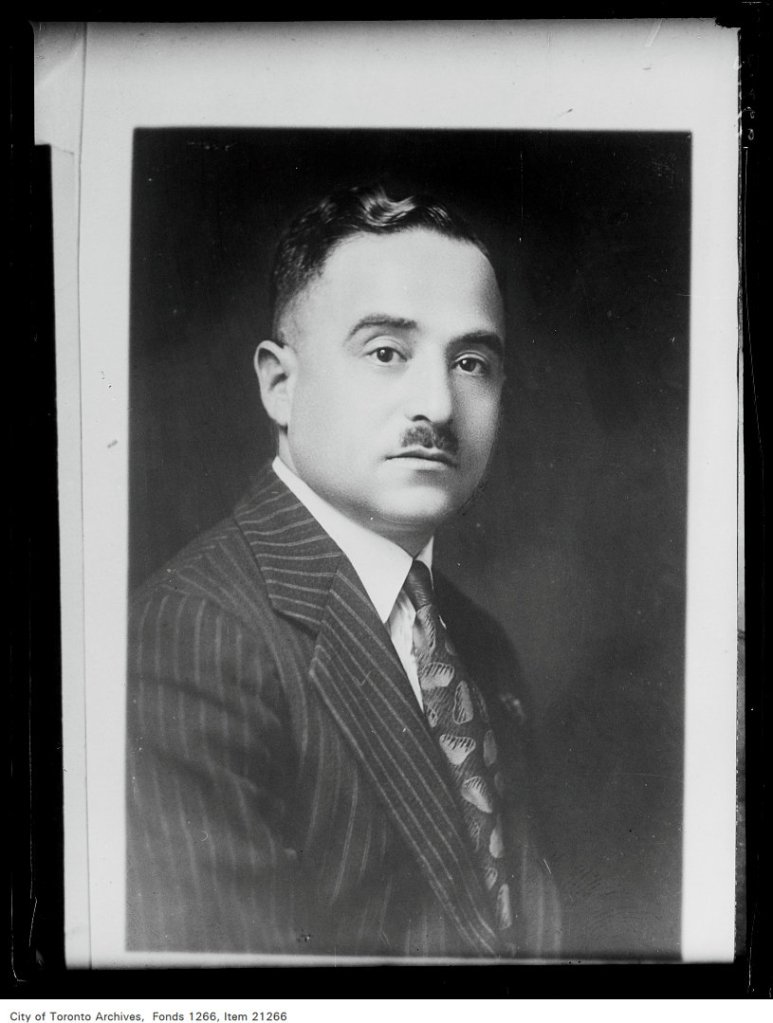
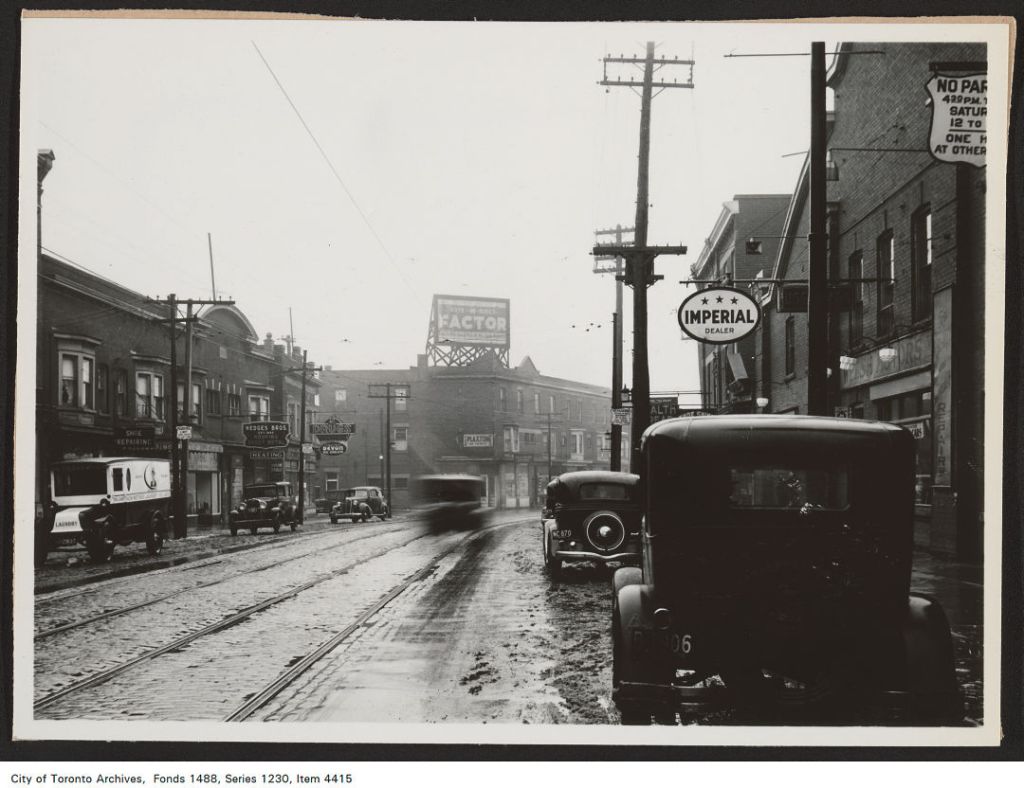
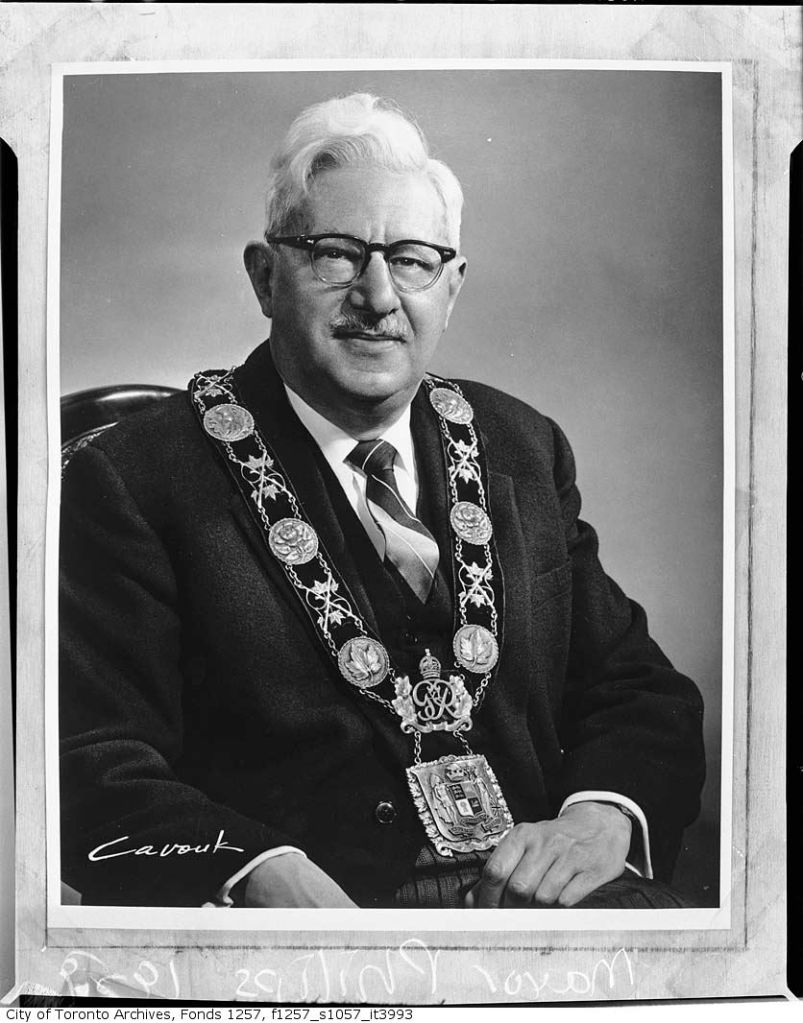
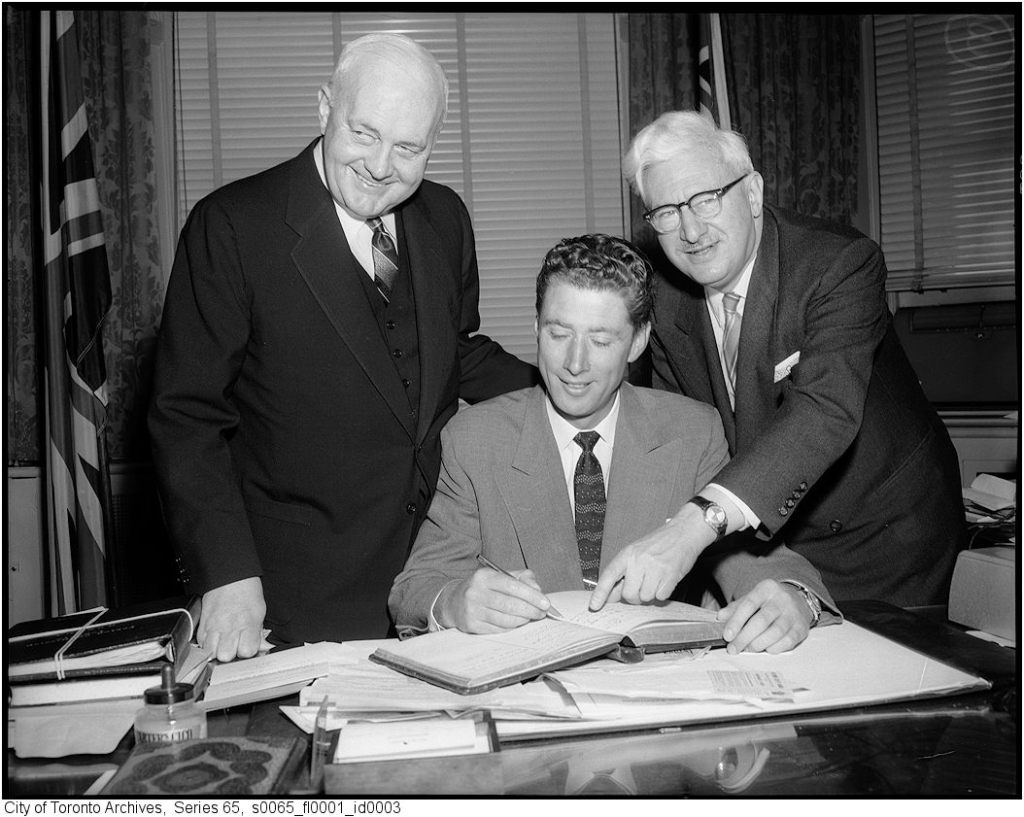
Aldermen Sam Factor and Nathan Phillips tackled Antisemitism head on. Sam Factor was a popular politician who went on to become a King’s Counsel, Member of Parliament and judge. Nathan Phillips later became Mayor of Toronto.
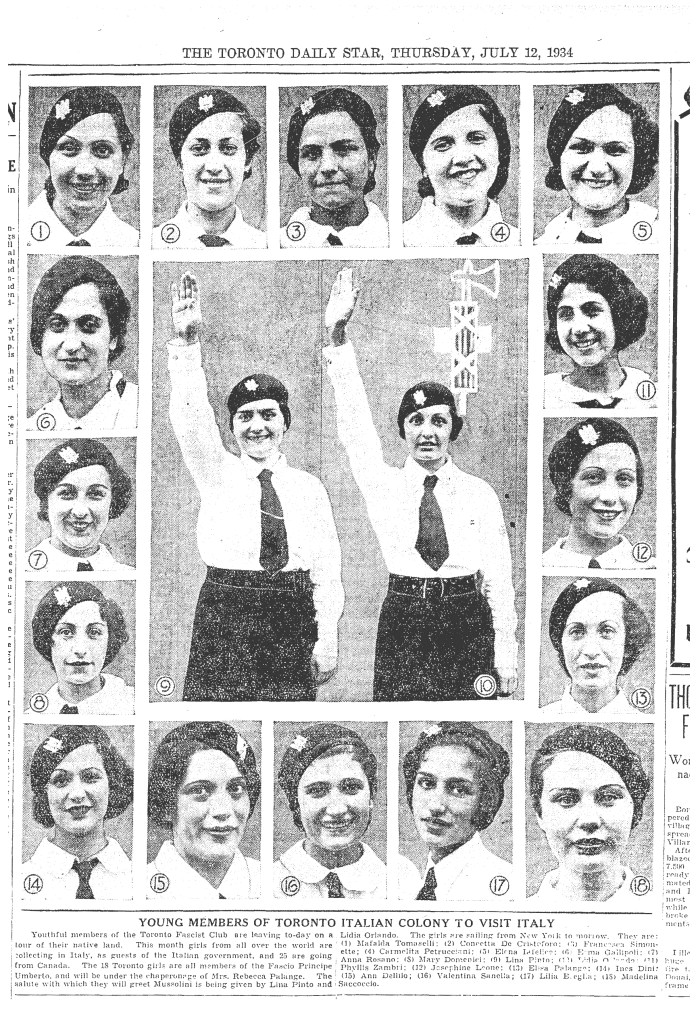
The proposal was referred to Parks Commissioner Chambers. Other City politicians opposed the proposal. The City of Toronto, however, began negotiating with golf architects “Cap” Millar and George Cumming to lay out a nine-hole course, but plans fell through.

By this time the Jewish population of Toronto was about 50,000, and not to be ignored. Other city politicians opposed the proposal. Nevertheless, the City of Toronto Parks Commission negotiated with golf architects Millar and Cumming to lay it the course out. That spring the TTC. opened a miniature golf course at Hanlan’s Point. It lasted only one season.
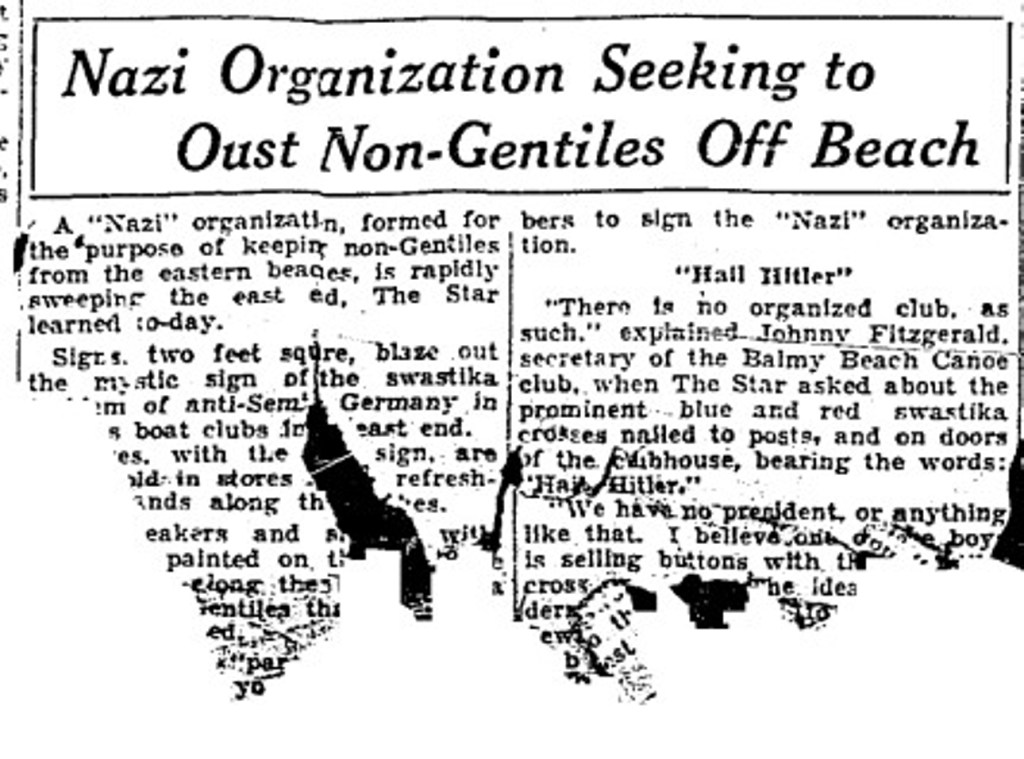
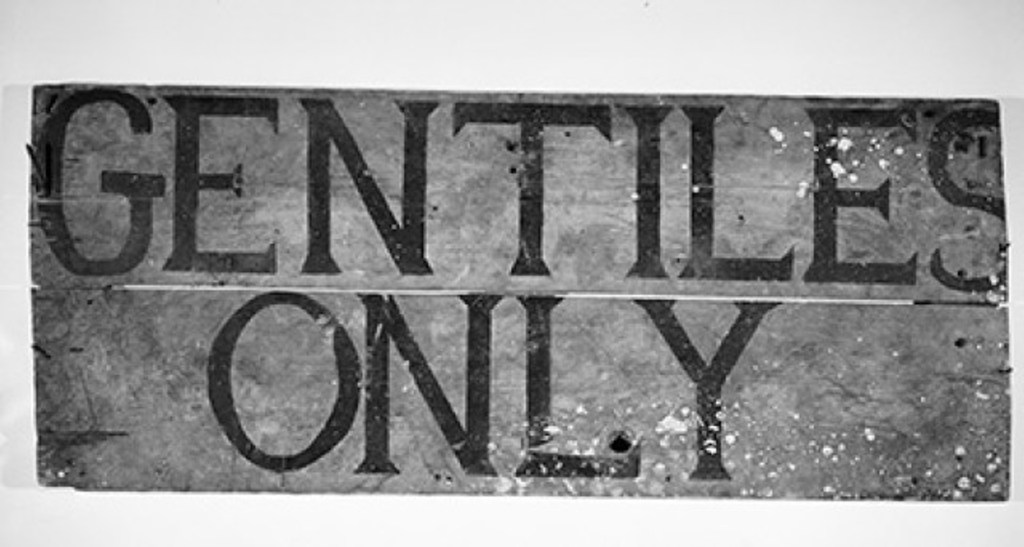
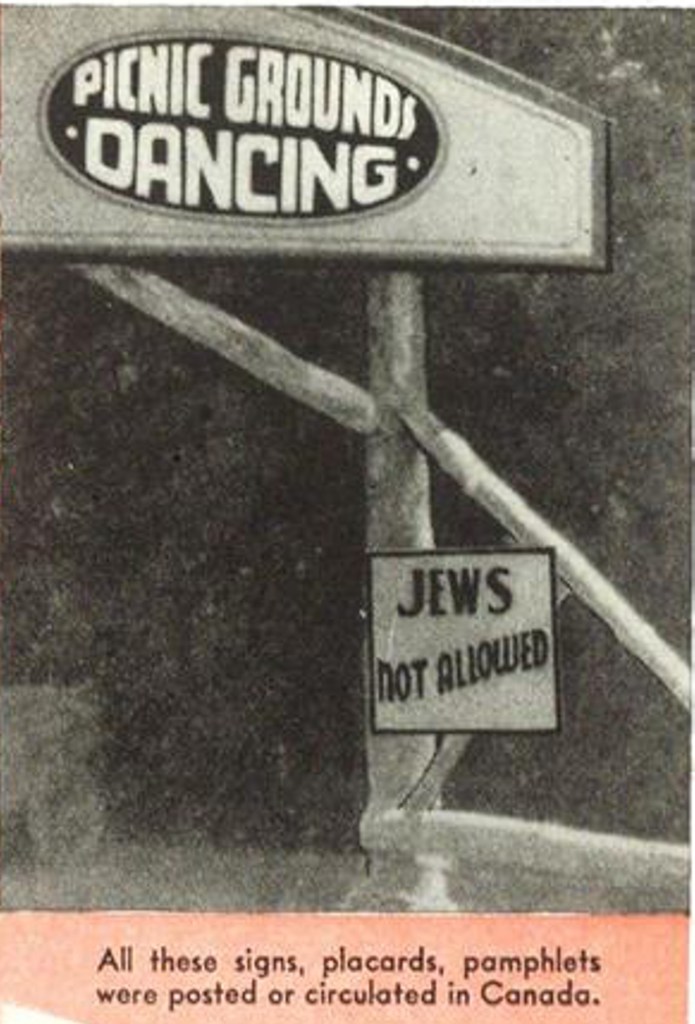
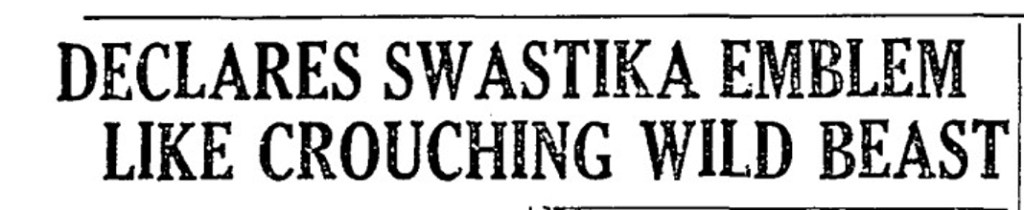
Just three years later, “No Jews Allowed” signs appeared on Balmy Beach and Jewish and Italian men and women fought the Swastika Club and Nazis in the Christie Pits.

In 1936 the Toronto Island Ratepayers’ Association met in Hotel Manitou and Sutherland again lead the move to build a nine-hole course on Mugg’s Island. Lobbying continued through 1937, but anti-Semitism left a such sour taste that the City just wouldn’t touch it.
In 1939 George McCordick, of the Cliffside Golf Club in Toronto’s East End, proposed a 3,000-yard nine-hole course and a clubhouse on Mugg’s Island. The Parks Committee turned him down. By this point war with Nazi Germany was on the horizon and City Council wouldn’t touch the project, tainted by Antisemitism, with a barge pole.
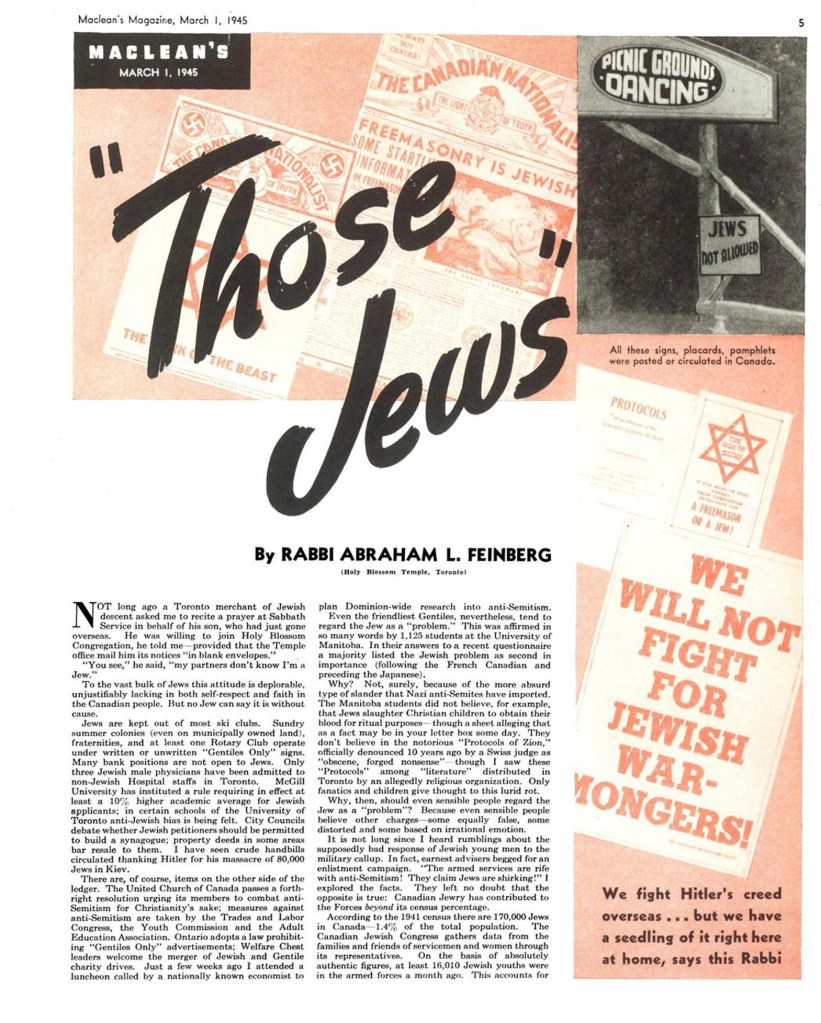
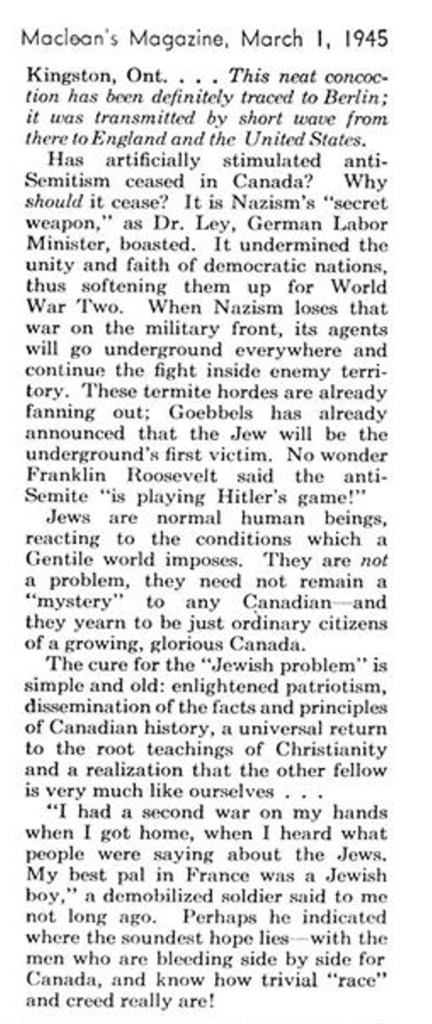
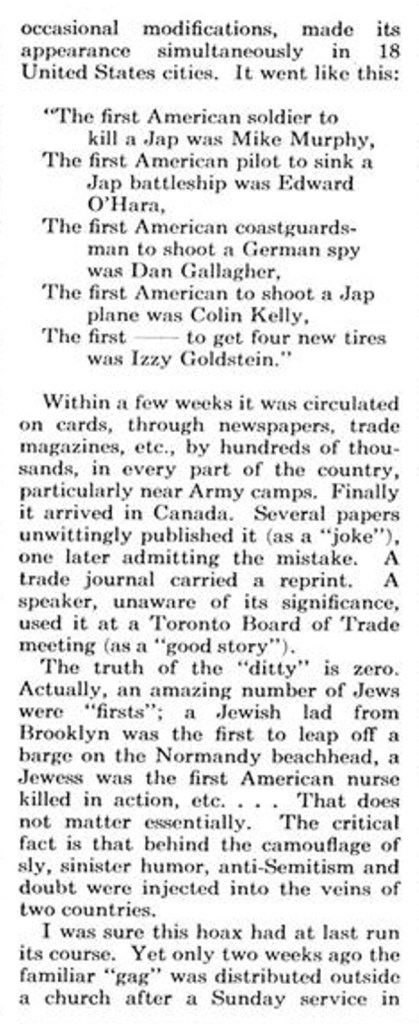
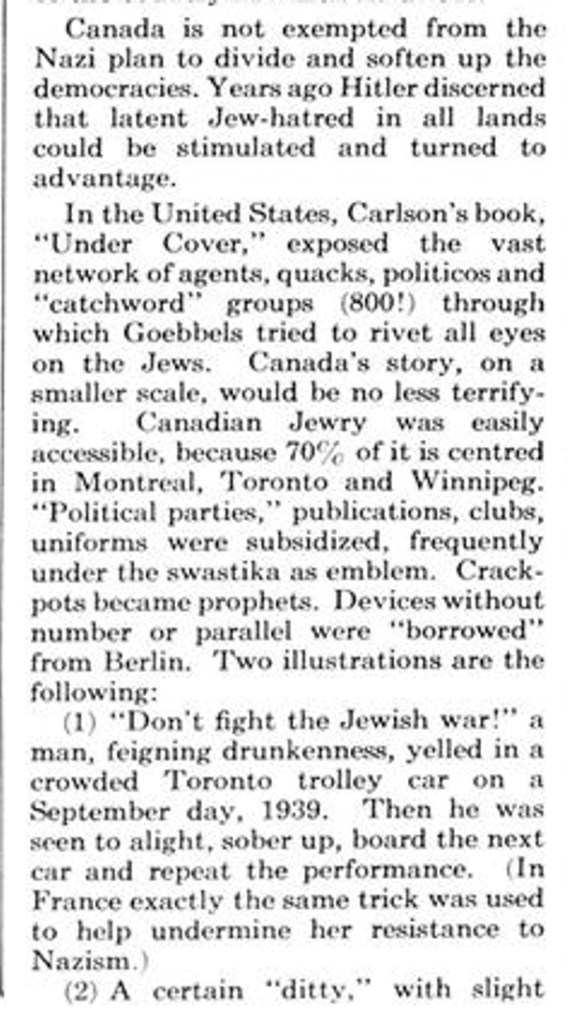
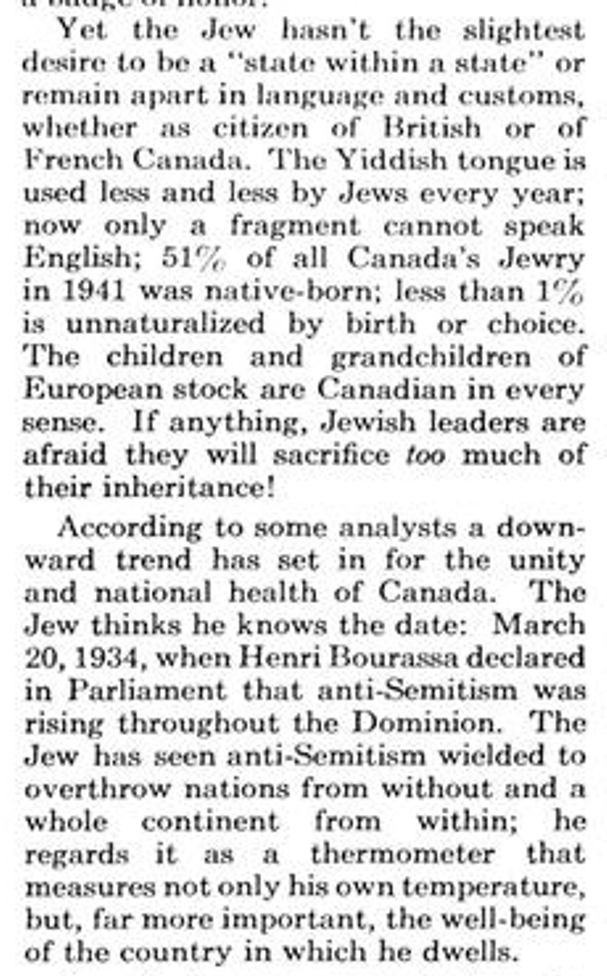
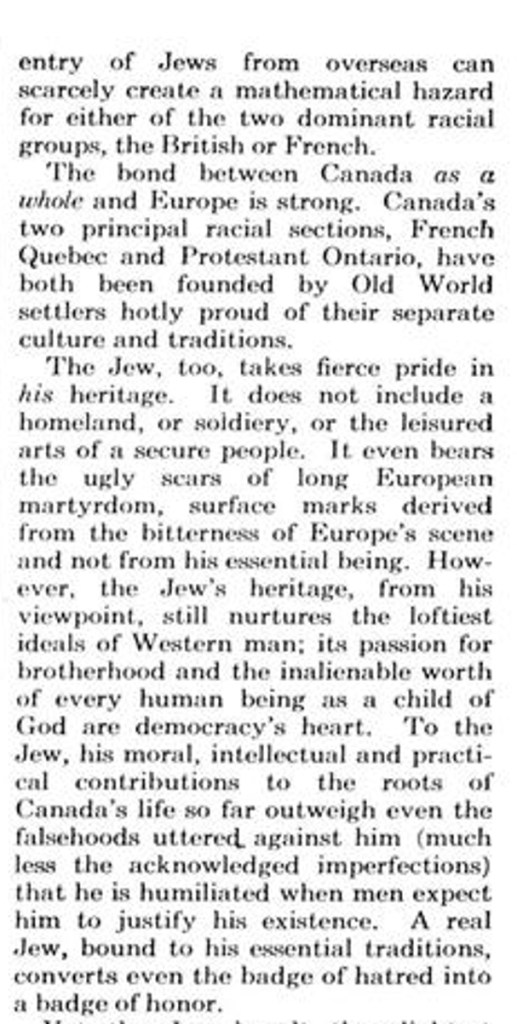
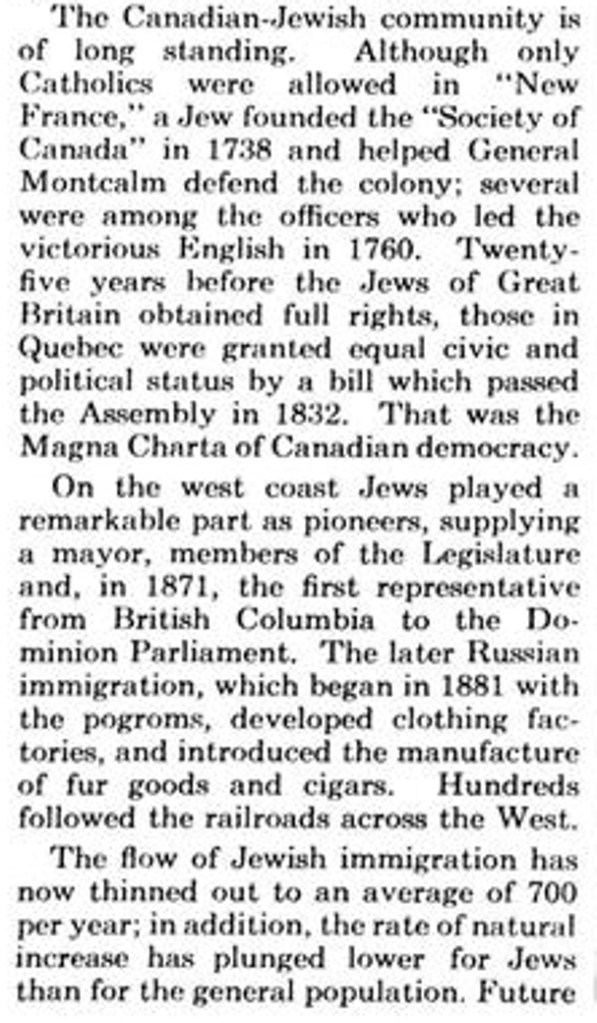

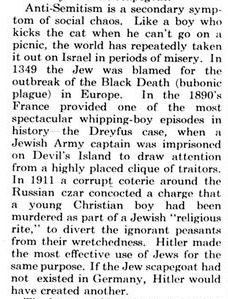
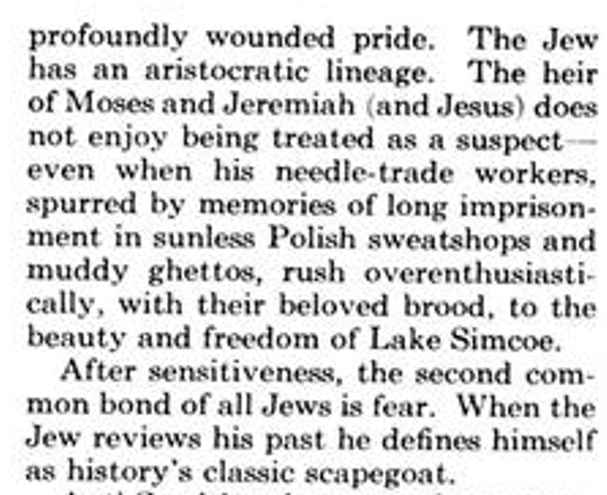
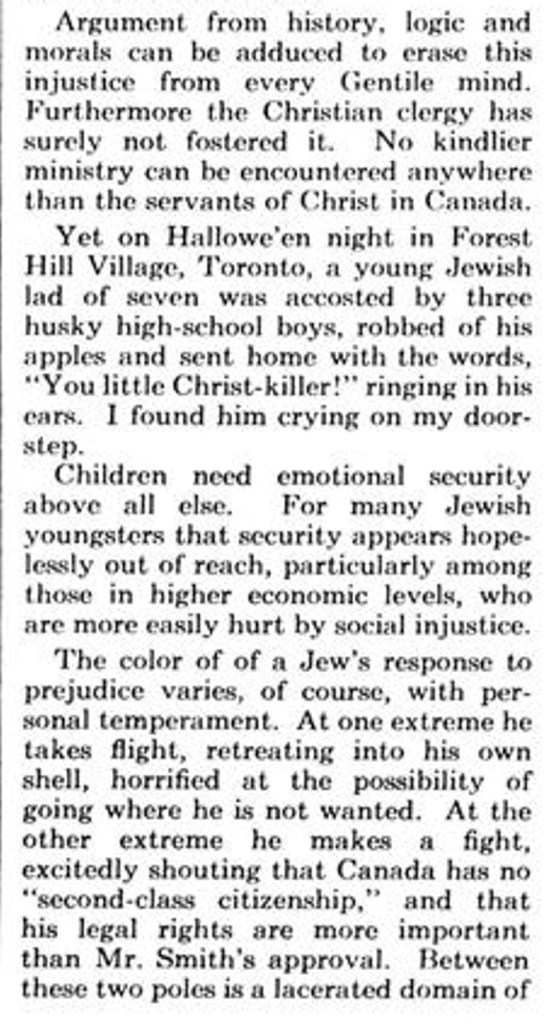
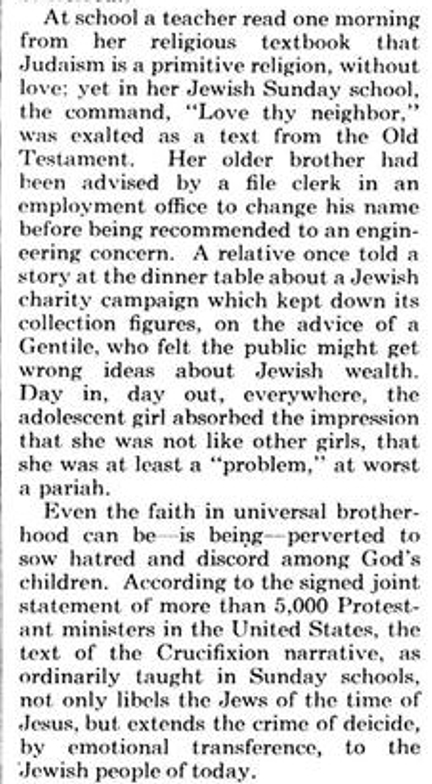
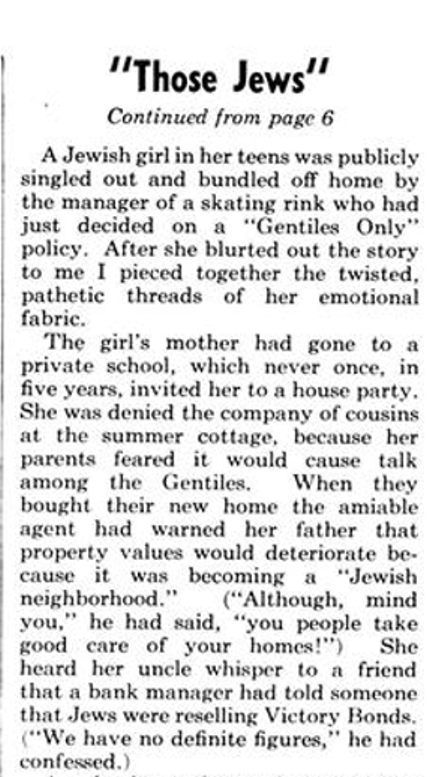
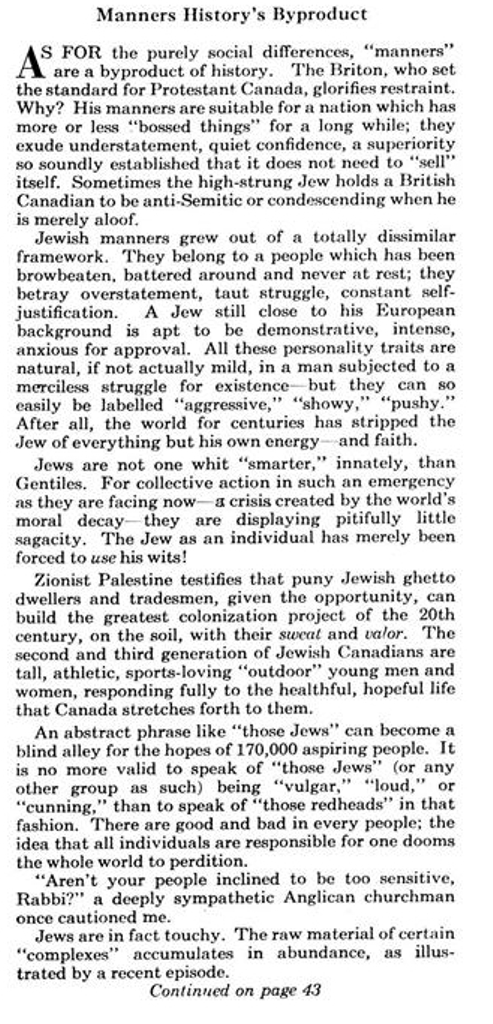
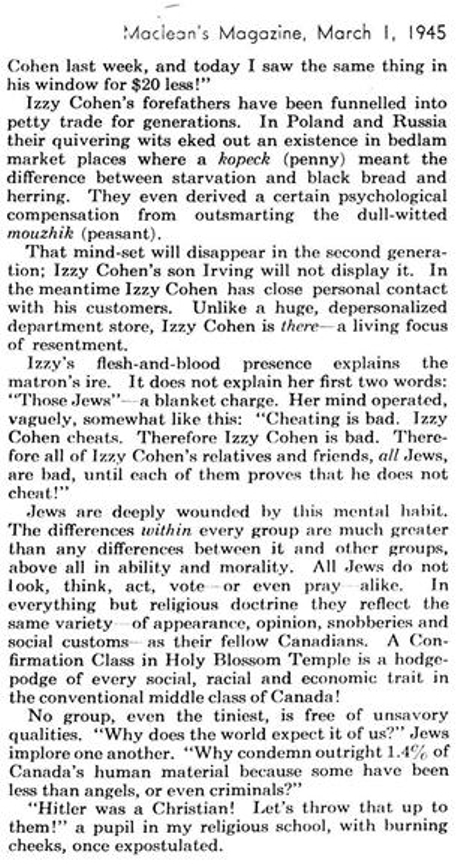
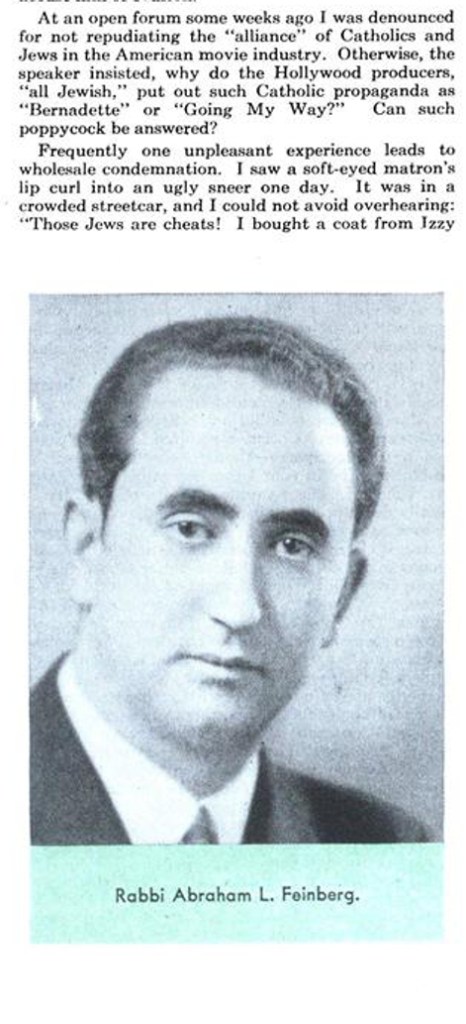
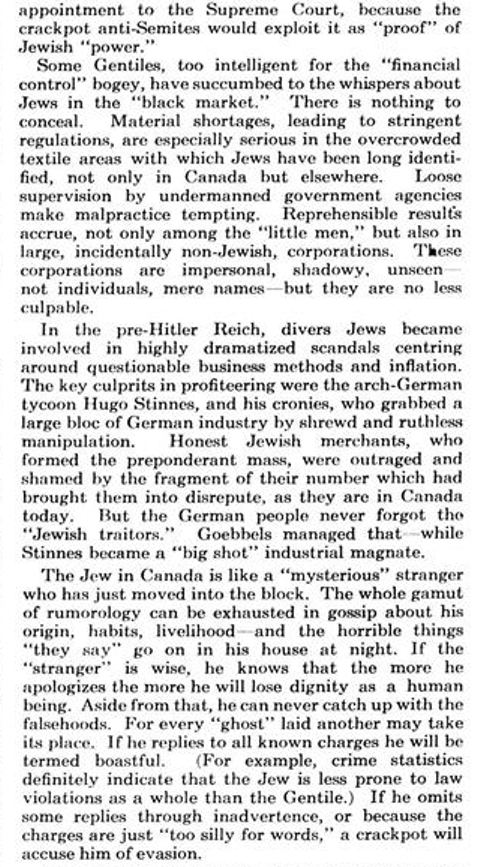
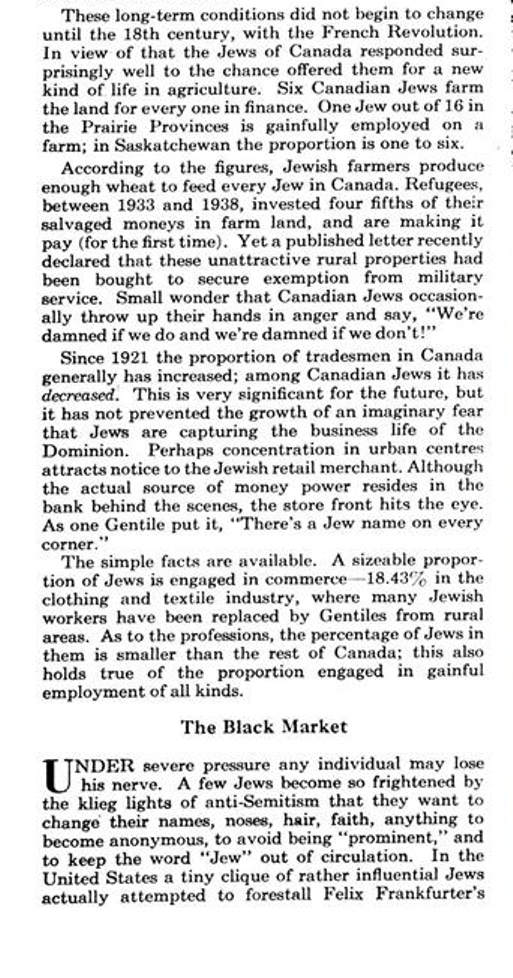
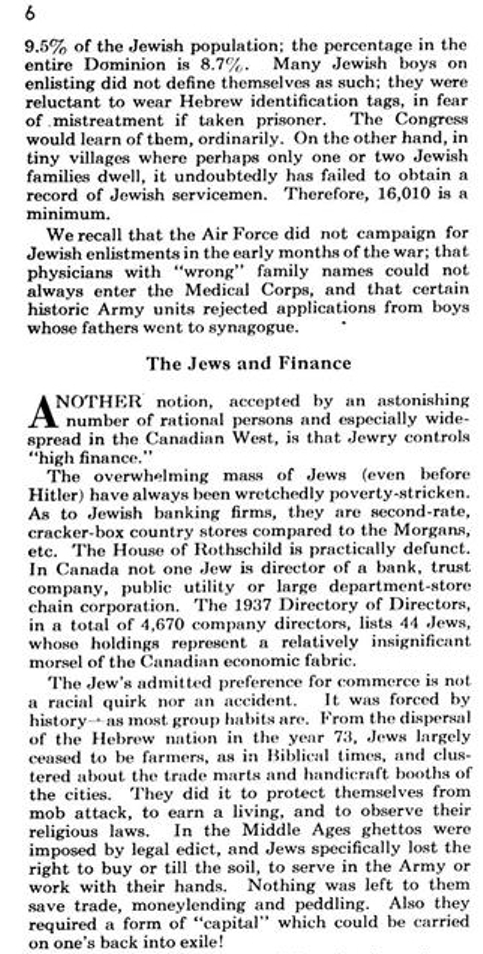
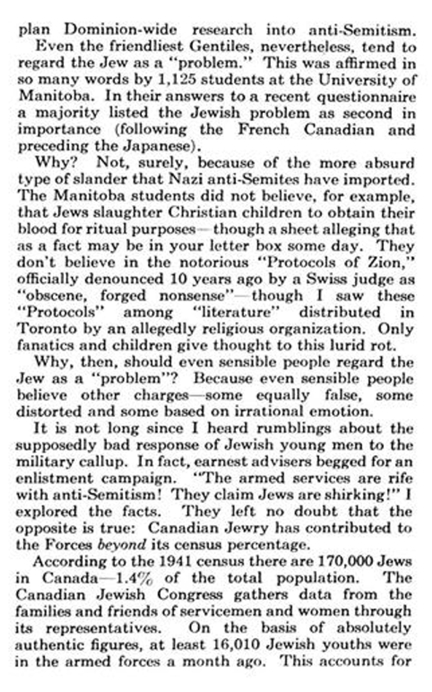
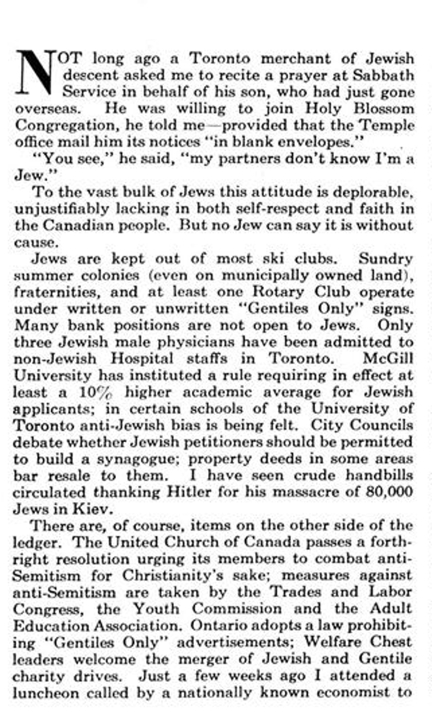
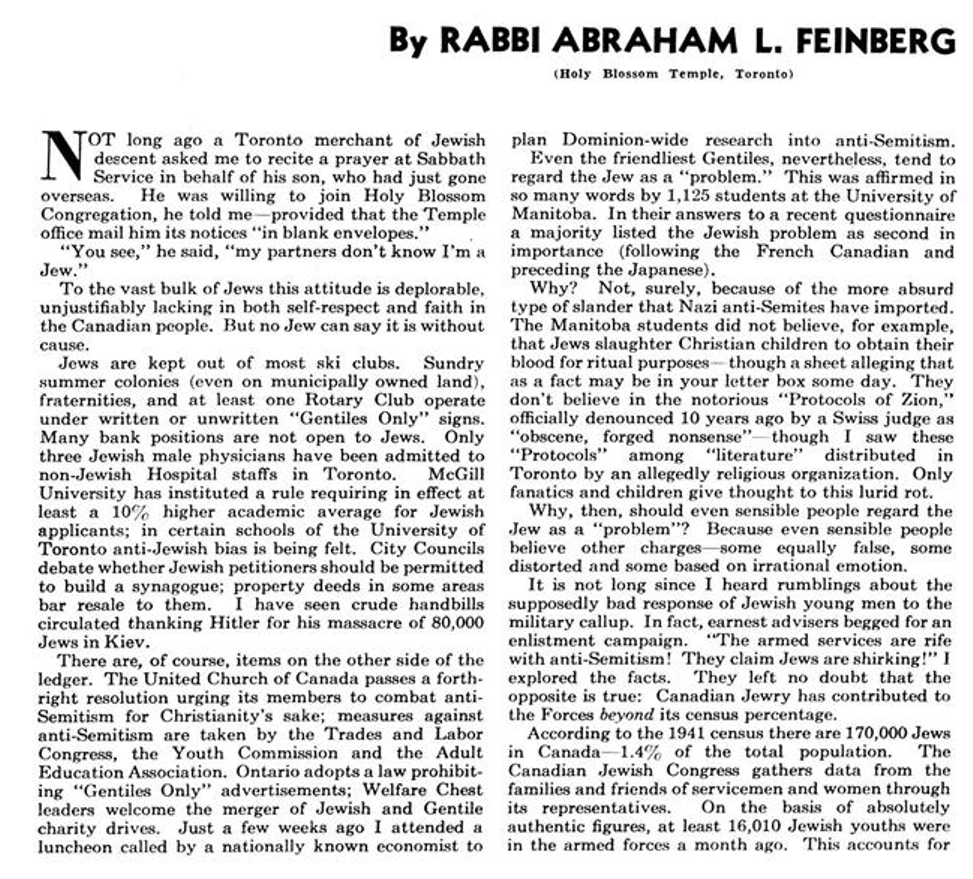
Maclean’s, March 1, 1945

For more info:
https://en.wikipedia.org/wiki/Samuel_Factor_(Canadian_politician)
 Coast Toronto
Leave a comment